Advanced PPC Techniques That Drive Real Growth for Dubai Businesses with a PPC Agency in Dubai
Paid advertising in Dubai has matured quickly. What once worked through aggressive bidding or broad visibility now feels inefficient, sometimes even invisible. From inside a PPC Agency in Dubai, the conversation in 2026 is less about launching campaigns and more about shaping outcomes. Clicks alone are no longer persuasive.
Growth must connect directly to revenue, pipeline quality, and long-term positioning—expectations now common across any serious Digital Marketing company in Dubai environment. That shift is subtle, but it changes everything about how advanced PPC is actually practiced.
Precision is replacing scale
Earlier PPC strategies often prioritised reach. More keywords. Wider audiences. Higher impression share.
Today, the strongest performance usually comes from restraint. Dubai’s competitive cost landscape exposes inefficiency quickly. Broad targeting may generate activity, but precision generates value.
In practice, this means:
Fewer keywords tied closely to decision intent
Audience signals grounded in real buying behaviour
Messaging aligned with commercial readiness rather than awareness
None of this feels revolutionary. Yet it’s where sustainable PPC services quietly outperform louder campaigns.
Automation is powerful—but incomplete
Machine learning has transformed PPC platforms. Smart bidding, predictive audiences, automated optimisation. Useful tools. But still dependent on human clarity.
If conversion tracking reflects shallow actions, automation optimises the wrong outcome. If sales data never feeds back into campaigns, bidding decisions remain partially blind.
Advanced PPC in 2026 isn’t about trusting automation completely. It’s about guiding it with accurate business signals. The difference is rarely technical. It’s strategic discipline.
Real growth begins after the click
One of the most overlooked truths in PPC marketing is how much performance depends on what happens beyond the ad.
Landing page clarity. Speed of response. Sales qualification quality. When these elements weaken, campaigns appear ineffective—even when targeting is correct.
At that point, PPC becomes a mirror reflecting operational gaps rather than a driver of growth.
Audience intent is becoming more layered
Dubai buyers rarely move in straight lines. They research quietly, revisit multiple times, and compare options across channels.
Advanced PPC strategies now reflect this layered behaviour.
Instead of chasing immediate conversion alone, mature campaigns support different stages:
Early validation through educational search
Mid-stage reassurance via remarketing
Decision-stage precision through high-intent targeting
This isn’t complexity for its own sake. It’s alignment with real decision journeys.
And alignment is where efficiency begins.
Budget discipline is the quiet differentiator
In high-CPC markets, spending more is easy. Spending intelligently is harder. Advanced PPC rarely looks dramatic in dashboards. Often, it appears as careful exclusion—negative keywords, refined audiences, reduced waste.
These adjustments may lower visible traffic. But they usually improve commercial clarity. Growth becomes steadier, less dependent on constant budget expansion. And steadiness, in competitive environments, often matters more than spikes.
Stricter targeting may reduce lead volume. Higher qualification may slow initial enquiries. Transparent messaging may filter out unready prospects.
Yet avoiding these tensions typically preserves metrics while limiting revenue impact. Advanced strategy accepts short-term discomfort in exchange for long-term efficiency.
A closing reflection from inside evolving campaign strategy
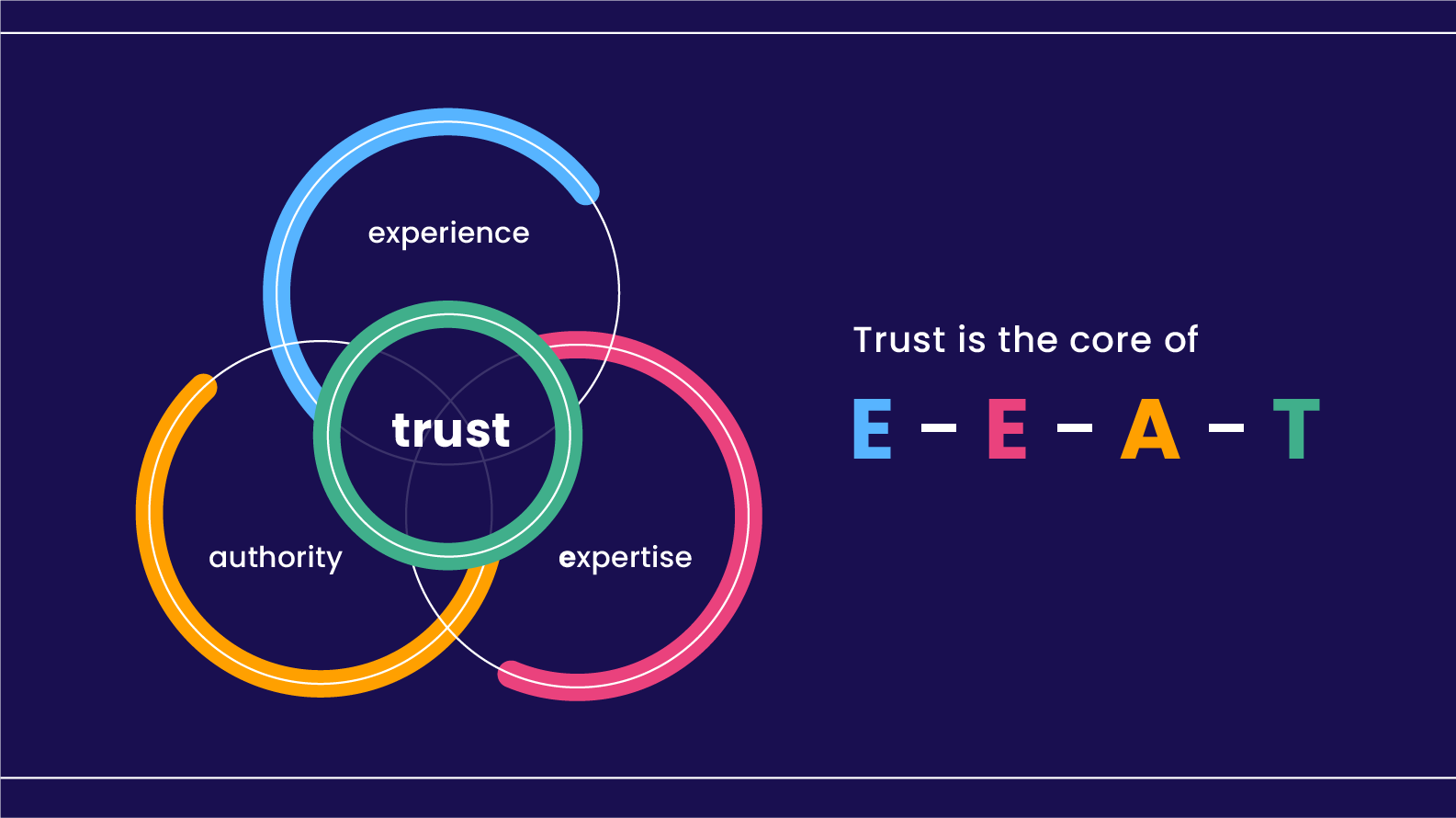
PPC in Dubai is no longer defined by visibility alone. It’s defined by relevance, timing, and trust between marketing promise and real-world delivery.
The campaigns driving meaningful growth today rarely feel aggressive. They feel precise. Measured. Quietly effective.
And in competitive markets, quiet effectiveness tends to last longer than anything that merely looks impressive.