Google E-E-A-T Explained: How UAE Businesses Can Build Trust & Rank Higher in 2026 with E-E-A-T ranking factors
Search visibility in 2026 feels less mechanical than it once did. Not just keywords and backlinks. Something quieter is shaping outcomes now—credibility.
For many SEO for UAE businesses conversations, the real shift isn’t technical optimisation. It’s trust. Who is speaking, why they’re credible, and whether users believe what they see before ever making contact.
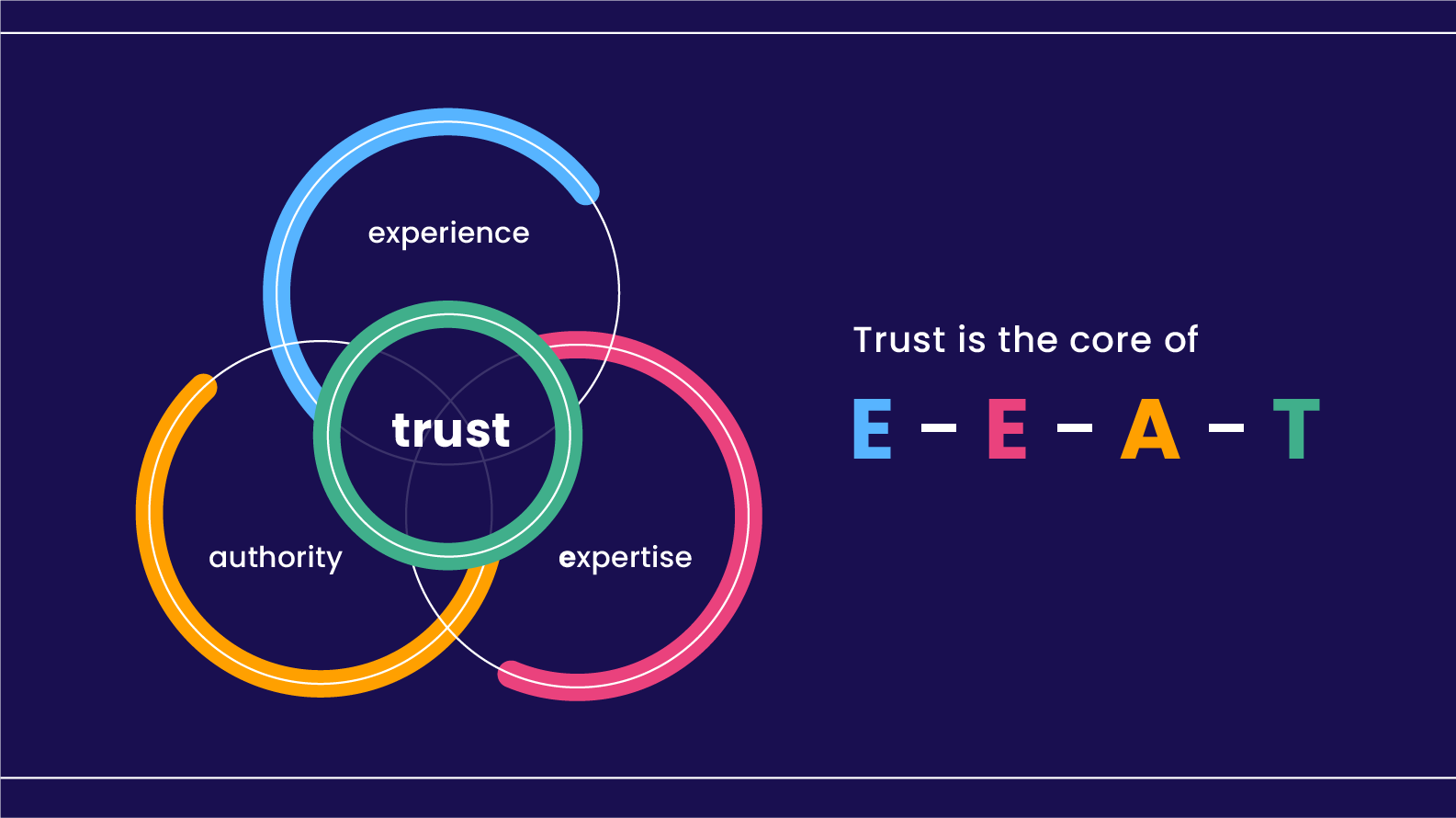
This is where E-E-A-T ranking factors—experience, expertise, authoritativeness, and trustworthiness—are becoming commercially relevant rather than purely algorithmic ideas. Because in competitive UAE markets, trust is no longer a branding layer. It’s a ranking signal… and often a conversion signal too.
Credibility is replacing clever optimisation
There was a time when structured SEO effort alone could influence rankings significantly. Technical fixes, content volume, backlink acquisition—still important, but no longer sufficient on their own.
Search engines are increasingly asking a more human question: Should this business be trusted?
That question reshapes how visibility works.
It means:
Real expertise matters more than rewritten content
Transparent business identity supports stronger rankings over time
These changes don’t feel dramatic day to day. But over months, they quietly separate sustainable growth from temporary spikes.
Experience is becoming visible in subtle ways
The first “E” in E-E-A-T—experience—often feels abstract. Yet in practice, it appears through very concrete signals. Original insights. Real project outcomes. Specific knowledge of local markets.
In SEO best practices Dubai, this is increasingly noticeable. Generic content may still index, but content shaped by real-world understanding tends to perform more consistently.
Not because it’s longer or more optimised. Because it’s harder to replicate.
Search engines are learning to recognise that difference—slowly, imperfectly, but steadily.
Authority now extends beyond the website itself
One of the quieter evolutions in E-E-A-T ranking factors is how authority is measured externally.
Mentions across reputable platforms. Consistent brand signals. Professional profiles connected to real expertise.
Visibility is no longer confined to on-page optimisation. Reputation across the wider digital environment contributes to perceived legitimacy.
For UAE businesses, this often connects to:
Industry partnerships
Verified business listings
Thought leadership in regional contexts
Authority, in this sense, behaves more like public perception than technical SEO.
Trust is where ranking and conversion finally meet
Trustworthiness has always mattered to users. Now it matters just as clearly to search performance.
Elements that once felt secondary—clear contact details, transparent policies, authentic reviews—are becoming local SEO credibility signals influencing both visibility and decision-making. Because trust doesn’t only improve rankings. It reduces hesitation.
And reduced hesitation changes everything downstream: click-through behaviour, enquiry quality, and eventual sales conversations. This is where SEO stops being isolated from business reality. It becomes part of it.
The tension between speed and authenticity
Many organisations still hope for rapid SEO improvement. That expectation is understandable—growth pressure rarely waits.
But credibility compounds slowly. Reputation forms through consistency, not shortcuts.
This creates a difficult strategic tension:
Fast optimisation can increase visibility briefly
Genuine authority builds visibility that lasts
Choosing between them isn’t always simple. Yet long-term performance almost always favours authenticity. Even when patience feels uncomfortable.
What E-E-A-T really means for UAE businesses in 2026
Beyond terminology, E-E-A-T is quietly redefining competitive advantage.
Not who publishes the most content. Not who optimises fastest. But who demonstrates real value clearly enough for both users and search engines to recognise.
In practical terms, that often looks like:
Clear expertise connected to real people
Consistent reputation across digital touchpoints
Content shaped by lived industry experience
Transparent signals that reduce doubt
None of these feel like traditional SEO tactics. Yet together, they influence ranking more than many technical adjustments alone.
A closing reflection from inside evolving search strategy
Search in the UAE is maturing. Less dependent on manipulation. More responsive to credibility.
The rise of E-E-A-T ranking factors doesn’t introduce an entirely new system. It simply brings search closer to how humans already evaluate trust.
And in competitive markets, trust has always been the quiet force behind visibility, reputation, and growth. In 2026, it’s just becoming harder to ignore.