Google E-E-A-T 2026: What Healthcare Brands Must Know to Rank for Trust
Healthcare sits in a space where trust is not optional; it’s the foundation. People search for answers about symptoms, treatments, emotional concerns, and life-changing decisions — all expecting accuracy, empathy, and clarity. Because of this, Google’s E-E-A-T framework holds more weight in healthcare than almost any other industry. Many brands turn to a healthcare SEO company only after realising that content written for algorithms can no longer compete with content written for real human needs.
In 2026, E-E-A-T isn’t just an SEO guideline. It’s a direct reflection of whether a brand deserves visibility when people are searching for reassurance and safe advice.
E-E-A-T in Healthcare: More Than an Algorithm Update
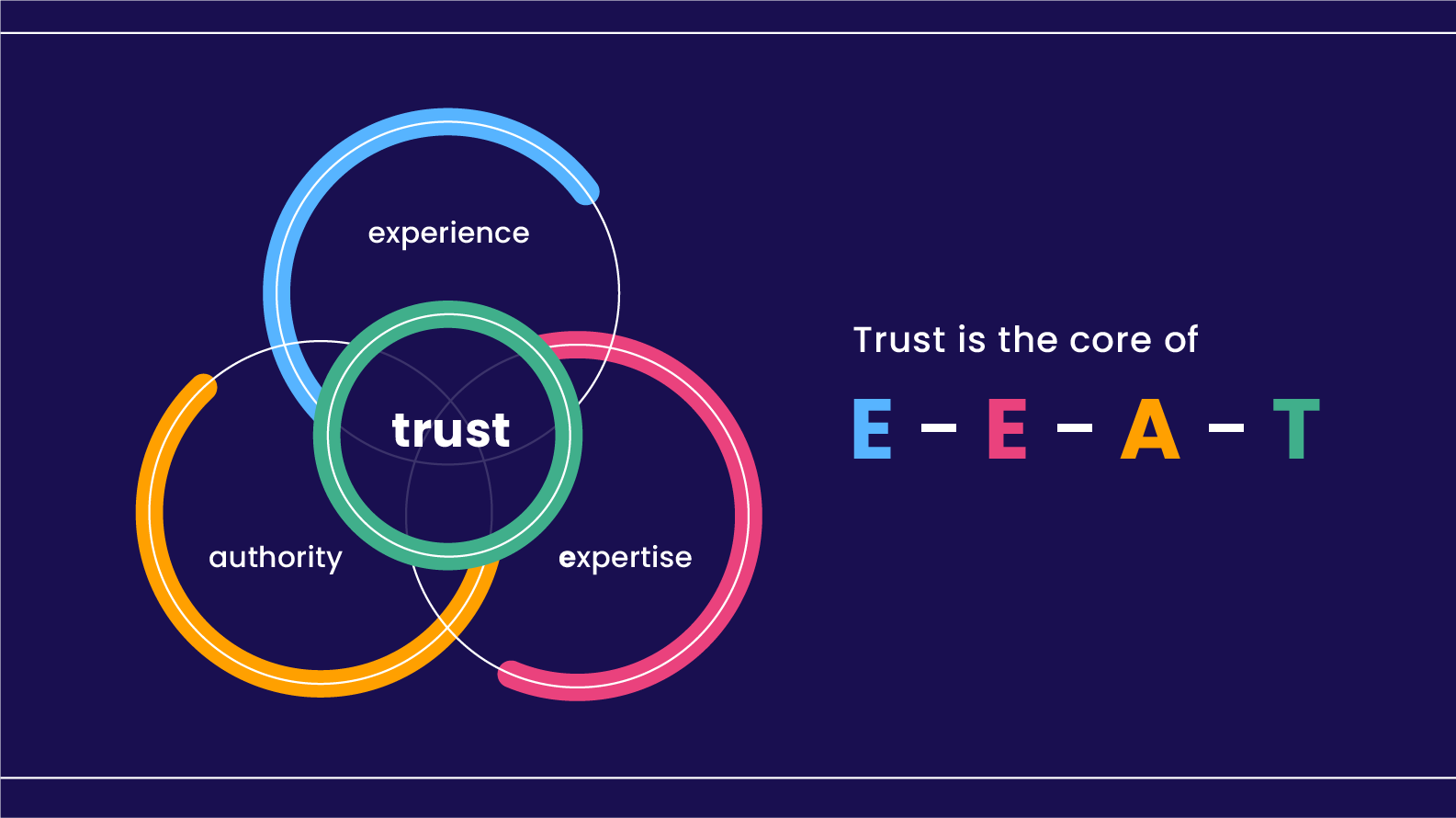
Google’s E-E-A-T — Experience, Expertise, Authoritativeness, and Trustworthiness — has continued evolving, especially for Your Money, Your Life (YMYL) sectors like healthcare. The search engine’s goal is simple: ensure users receive reliable information that doesn’t mislead or create harm.
Healthcare content is judged differently. A restaurant review can be opinion-based. Medical information cannot. Search engines now assess not only what’s being said, but who is saying it, how they know it, and whether the brand behind it feels credible enough to guide someone through a sensitive topic.
In 2026, this evaluation has become more intuitive, more behaviour-driven, and far more aligned with how users actually judge trust.
What Google Looks for in Healthcare Content
Experience That Feels Genuine: Google has become better at detecting real-world experience in content — especially through personal qualifications, lived knowledge, and on-the-ground insights. Healthcare topics benefit when the content reflects involvement in actual practice or patient-facing scenarios.
Expertise That Is Easy to Confirm: Clear bylines, medical credentials, author pages, and citations matter. Users want to know who is behind the advice, and search engines do too. Expertise is no longer assumed; it must be proven.
Authoritativeness That Extends Beyond a Website: External mentions, local recognition, reviews, interviews, and community alignment all play a role. Authority grows when a brand’s presence is validated elsewhere.
Trust Signals That Are Impossible to Fake: Accurate information, up-to-date claims, transparent policies, and ethical communication all demonstrate trust. In healthcare, trust cues are subtle but powerful.
A Healthcare Brand’s Reality Check in 2026
Users don’t interact with healthcare websites casually. They scan pages with more caution, more hesitation, and more emotional weight. They look for signals: Does this sound reliable? Does it feel human? Does it feel safe?
This is where many healthcare brands fall short — not because their treatments or services lack quality, but because their online presence doesn’t reflect the empathy and professionalism offered in real life.
This is often the turning point where brands lean on an SEO Company to guide content structure, accuracy, and credibility. The partnership becomes less about “ranking higher” and more about showing up in a way that honours patient trust.
Building Healthcare Content Around Human Needs
Healthcare content performs better when it recognises the emotional state of the reader. People searching for medical information aren’t browsing casually; they’re often anxious, overwhelmed, or uncertain. High-performing healthcare pages tend to:
Use simple, compassionate language
Present facts without alarming the reader
Cite correct medical sources
Avoid exaggerated claims
Provide next steps, support, or clarity
These elements help users feel grounded. And when users trust content, search engines reinforce that trust with stronger visibility.
Trust Isn’t Only About Text — It’s About Presence
Beyond content, Google evaluates the entire ecosystem around a healthcare brand. This includes:
Website transparency: Clear contact details, updated service information, disclaimers, and medical oversight.
User reviews and reputation: Third-party platforms shape perceived trust more than branded messaging ever could.
Technical stability: Fast-loading pages, mobile accessibility, and clean structure all signal professionalism.
Consistent accuracy: Healthcare content must be updated frequently. Outdated facts are treated as a risk.
Healthcare brands are discovering that trust isn’t built through long paragraphs. It’s built through consistency — across pages, articles, reviews, and user experience.
A Final Reflection on E-E-A-T and Healthcare Growth in 2026
E-E-A-T has always mattered, but in 2026 it has become the lens through which healthcare credibility is judged online. Search engines are no longer simply analysing keywords; they’re evaluating intentions, clarity, and alignment with patient well-being. Brands that show real-world experience, medical oversight, and ethical communication naturally rise. Those that focus only on performance metrics tend to fall behind — not because their services lack quality, but because their digital presence doesn’t reflect the depth of their work.
Healthcare is personal. Search behaviour in this category is emotional. And a brand’s visibility depends on whether users feel safe enough to trust the information in front of them. With strong Digital Marketing services, healthcare organisations can build this trust intentionally — converting credibility into long-term growth, not temporary rankings.
Let’s build a strategy that actually means something — reach out to Lemonade Digital Labs whenever you’re ready.